DeFi Tokens: The Post-Crash Mirage - Twitter Reacts
Okay, so another crypto "crash." October 10th, they're calling it. As if we haven't seen this movie a thousand times before. Now, the narrative is that DeFi investors are suddenly all grown up, flocking to "safer names" and "fundamental catalysts." Right. Like a bunch of toddlers running for mommy when the thunder rolls.
"Flight to Safety" or Just Another Crypto Mirage?
The "Flight to Safety": My Ass This whole "flight to safety" thing is crypto's favorite coping mechanism. When the market tanks, everyone pretends they were being super rational all along, just waiting for the right moment to pounce on "undervalued" assets. Give me a break. FalconX's report claims investors are piling into tokens with buybacks, like HYPE and CAKE. Sure, maybe *some* are. But let's be real—most are just blindly chasing whatever green candles flicker amidst the red sea. It's not strategic allocation; it's glorified gambling with extra steps. And this business about MORPHO and SYRUP outperforming because of "idiosyncratic catalysts"? Translation: they got lucky. Minimal exposure to some other dumpster fire, or maybe they just managed to pump their numbers for a hot second. Doesn't mean they're fundamentally sound; it just means they haven't imploded *yet*. I gotta ask: How much of this "investor behavior" is just algos and bots doing their thing, regardless of what any actual human investor thinks? Are we giving too much credit to what is, in reality, automated chaos?DeFi Valuations: Still Just a Game of Musical Chairs
The Valuation Rollercoaster: Up, Down, and Sideways Bullshit The report also talks about shifting valuations, with some DeFi subsectors getting "more expensive" while others "cheapened." Spot and perpetual DEXes supposedly saw declining price-to-sales multiples. Okay, great. So prices dropped faster than activity. That's not some groundbreaking insight; that's just basic cause and effect. They say some DEXes, like CRV, RUNE, and CAKE, posted greater 30-day fees. Again, so what? A slight uptick in fees doesn't magically make them good investments. It just means people were still dumb enough to use them during the downturn. And then there's the lending sector, which apparently "steepened on a multiples basis." Market cap fell 13%, fees declined 34%... This is a bad idea. No, "bad" doesn't cover it—this is a five-alarm dumpster fire. Investors are supposedly crowding into lending names because they're "stickier." As if anything in DeFi is actually sticky. It's all hot money sloshing around, chasing the highest yield, until the next rug pull happens. Speaking of lending... my freaking internet provider is jacking up my rates *again*. Like I don't have enough to worry about with this crypto clown show. But wait, is this all just a prelude to another alt season? Are these "dislocations" actually "opportunities," as the FalconX report suggests? Or are we just rearranging deck chairs on the Titanic? According to DeFi Token Performance & Investor Trends Post-October Crash, the market is still highly volatile.DeFi's "High Yield"? More Like High Risk, Am I Right?
The Future? More of the Same, Probably The analysis suggests investors think perps will lead the DEX front, and that fintech integrations will drive lending growth. AAVE's "high-yield savings account" is mentioned. Seriously? High-yield anything in crypto should set off alarm bells. It's either unsustainable or a straight-up Ponzi scheme. It's all speculation, dressed up as informed analysis. Maybe they're right. Maybe they're wrong. Either way, the vast majority of retail investors will get rekt, as always. Then again, maybe I'm the crazy one here. Maybe everyone else has figured out some secret formula for navigating this madness. So, What's the Real Story? It's a cycle of hype, panic, and delusion. Investors aren't playing it safe; they're just rotating their bets on which flavor of disaster is least likely to blow up in their faces. DeFi ain't some bastion of financial innovation; it's a casino with extra steps and a whole lot of jargon to confuse the marks.
Related Articles
Solana's Bull Party is Over: What Happened?
Okay, so Solana crapped the bed yesterday. Broke below some "upward trendline" from April, and now e...

Beldex: Your Identity & Access Layer in the Confidential Web – Seriously?
Beldex's BNS: Another "Decentralized" Dream or a Real Privacy Revolution? Okay, Beldex Name Service...

Concordium's Market Attention: A Soaring CCD and What It Means
Concordium's Compliance Play: Is It Enough to Win? Concordium is making a serious bet on compliance....

The Rise of Concordium: What It Is, Why It's Surging, and What Comes Next
For years, the crypto world has been dominated by a single, rebellious narrative: decentralize every...
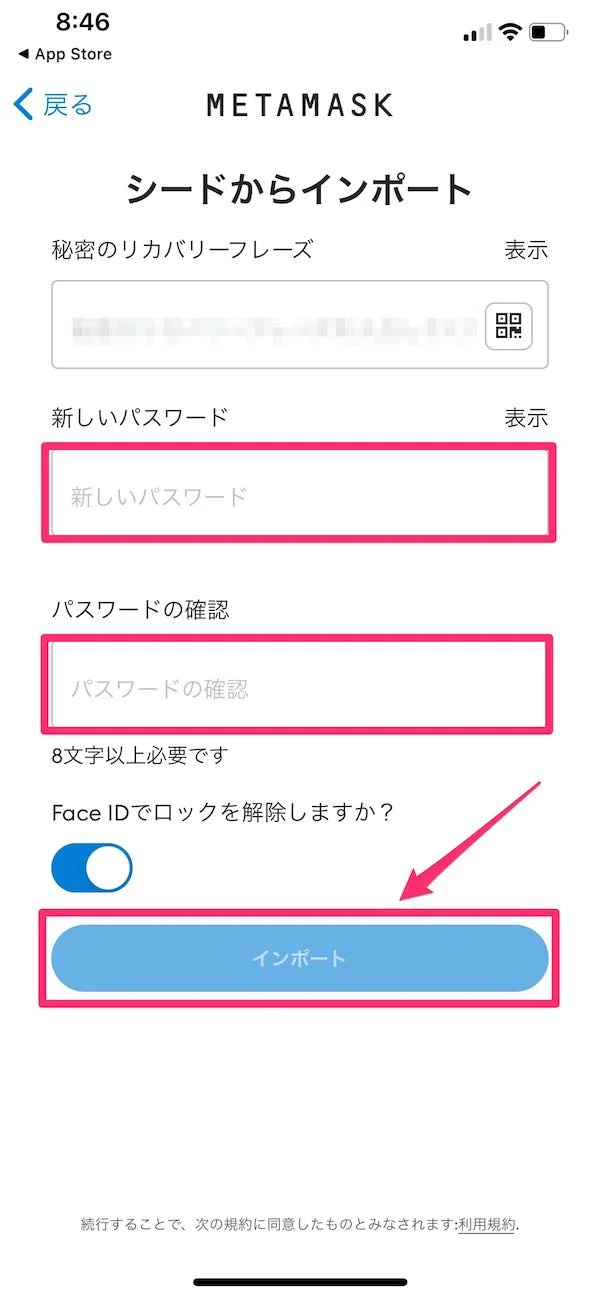
MetaMask: What It Is, How It Works, and Why It's Your Key to Web3
For years, we’ve thought of MetaMask as a key. A simple, indispensable tool. It’s the friendly fox i...

The Food Safety System That Worked: Inside the Egg Recall and the Tech That Stopped a Crisis
This Egg Recall Exposes a Flaw in Our Reality—And the Tech That Will Fix It You probably saw the hea...