Dodge Chrysler Jeep: Carvana's Next Power Play?
Generated Title: Carvana's Brick-and-Mortar Binge: Desperation Play or Calculated Gamble?
Carvana, the once-high-flying online used car "dealership," is making some curious moves. After a period of explosive growth fueled by pandemic-era conditions – and an equally dramatic collapse under the weight of logistical nightmares and regulatory scrutiny – the company is now dipping its toes into the decidedly old-school world of brick-and-mortar dealerships. Specifically, Chrysler-Dodge-Jeep-Ram (CDJR) franchises.
The acquisition of a second CDJR franchise (this time in Texas) follows an initial foray into Arizona earlier this year. Carvana's official line is that these are "small tests," opportunities to "learn" the franchise dealer business. But is it really that simple? Or is there a more strategic rationale at play, one driven by necessity rather than pure curiosity?
Paperwork Problems and Physical Realities
Carvana's past struggles with paperwork are well-documented. The company lost its dealer license in Michigan and settled a lawsuit in Connecticut over delayed registrations and payments. These weren't minor hiccups; they were systemic failures that directly impacted customers and attracted unwanted attention from regulators.
The online model, while appealing in theory, proved vulnerable to real-world bottlenecks. Titles, registrations, and inspections require physical paperwork and interaction with state agencies. Carvana's rapid expansion simply overwhelmed its ability to handle these tasks efficiently. (Or, more precisely, the company seemingly underestimated the importance of these "details.")
One could argue that acquiring physical dealerships is a way to internalize these processes. Instead of relying on a centralized system that strains under pressure, Carvana could leverage the existing infrastructure and expertise of established franchises. This would allow them to handle paperwork locally, potentially reducing delays and improving compliance.
But that explanation feels too simplistic. Carvana's problems weren't just about physical paperwork; they were about process inefficiencies and a lack of internal controls. Buying dealerships doesn't automatically fix those underlying issues. So, what else could be driving this strategy?
The Stellantis Connection: A Buyer's Market?
Both of Carvana's new dealerships are CDJR franchises. This isn't necessarily a coincidence. As Automotive News noted, these dealerships are "available." In other words, Stellantis dealerships might be easier to acquire right now due to market conditions or internal restructuring within the automaker.

This raises a crucial question: Is Carvana strategically targeting Stellantis franchises because they represent the best value proposition in the current market? Or are they simply opportunistic acquisitions, driven by availability rather than a specific strategic vision?
I've looked at hundreds of these corporate narratives, and the "availability" argument rarely tells the whole story. Companies always frame acquisitions as strategic, even when they're driven by price or desperation.
The fact that rival CarMax has exited the new-car franchise business altogether adds another layer of intrigue. CarMax, with its extensive physical footprint and established brand, seemingly couldn't make the new-car model work. What makes Carvana think it can succeed where CarMax failed?
New Car Sales as a Hedge Against Online Roadblocks
Carvana's "small test" narrative doesn't quite add up. The company is facing increasing regulatory scrutiny and potential roadblocks to its online-only sales model. Acquiring physical dealerships provides a crucial fallback option. If online sales become too difficult or restricted in certain markets, Carvana can pivot to a more traditional brick-and-mortar approach.
This isn't just speculation. Several states have already imposed restrictions on online car sales, requiring physical presence or stricter licensing requirements. A physical footprint allows Carvana to navigate these regulatory hurdles more effectively.
One potential advantage of the CDJR franchises is the access to new-car inventory. While Carvana built its brand on used cars, the new-car market offers higher profit margins and a more stable supply chain. (At least, in theory. Stellantis's recent production woes suggest otherwise.)
The move could also be a play for customer data. Dealerships collect vast amounts of information about their customers, from their purchasing habits to their service preferences. Carvana could leverage this data to refine its marketing strategies and personalize the customer experience.
Carvana's Still a Grift, Just With a Showroom Now
In the end, Carvana's shift into physical dealerships feels more like a defensive maneuver than a bold strategic play. The company is hedging its bets against regulatory headwinds and attempting to diversify its revenue streams. Whether it can successfully integrate these acquisitions and overcome its past operational challenges remains to be seen. But one thing is clear: the online car-buying revolution is facing some serious speed bumps.
Previous Post:zurich: What's up with it?
Next Post:Zera: Student-Athlete of the Week and What It Means Now
Related Articles

Jack's Donuts and the End of an Era: Why It Happened and What It Means for All of Us
Of course. Here is the feature article written from the persona of Dr. Aris Thorne. * You might have...

Hims Stock Surges 39%: A Data-Driven Look at the Surge
The ticker for Hims & Hers Health (HIMS) has been on a tear. A 39% surge in a single month is the ki...
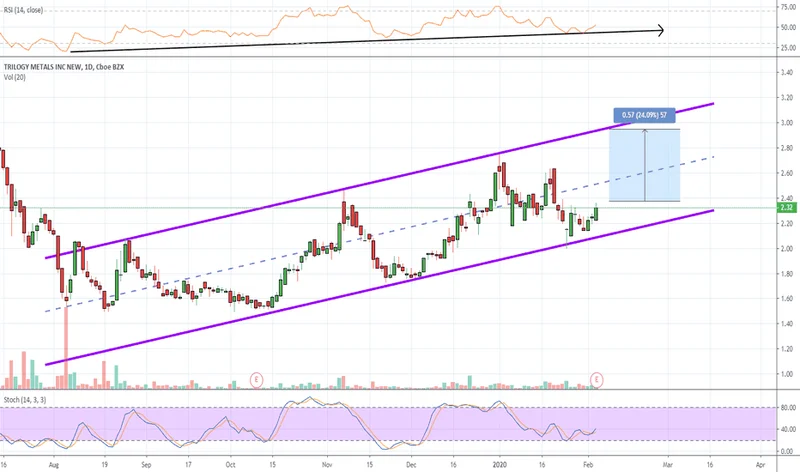
US Government Backs Trilogy Metals (TMQ): Why It's Soaring and What It Signals for America's Future
I just read a press release that, on the surface, is about a mining company in Alaska. And I can’t s...

Fifth Third Swallows Comerica for $10.9B: Why It's Happening and Why You Should Care
So, another Monday, another multi-billion dollar deal that promises to "create value" and "drive syn...

Pinterest's Stock Drop: What Happened and the Future of Visual Discovery
Okay, folks, buckle up. Because what's happening over at Pinterest isn’t just a quarterly earnings r...
GOOGL Stock: Unlocking Its Visionary Potential Among Tech Titans
Look around you. Everywhere you turn, there’s a hum of anticipation, a palpable energy in the air. W...